
Gold Karat Guide: 9kt, 14kt, 18kt and 22kt | Adastra Gold
Understand the difference between 9kt, 14kt, 18kt and 22kt gold, including purity, colour, durability and which karat is best for different jewellery types.

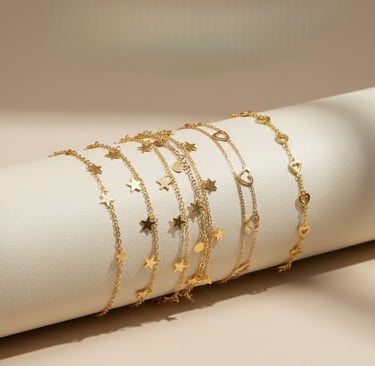
Gold jewellery is often described by its karat — 9kt, 14kt, 18kt, 22kt and so on. But many buyers are unsure what these numbers actually mean.
A gold karat tells you how much pure gold is present in the metal. Since pure gold is naturally soft, it is usually mixed with other metals to make it stronger and more suitable for jewellery.
Choosing the right karat depends on how the jewellery will be worn, the desired colour, the budget, and the type of design being made.
What does gold karat mean?
Gold purity is measured in 24 parts.
24kt gold means almost pure gold.
22kt gold means 22 parts gold and 2 parts other metals.
18kt gold means 18 parts gold and 6 parts other metals.
14kt gold means 14 parts gold and 10 parts other metals.
9kt gold means 9 parts gold and 15 parts other metals.
The higher the karat, the higher the gold content.
22kt gold
22kt gold is commonly used in Indian jewellery. It has a rich yellow colour and high gold purity.
Because it has a higher gold content, it is softer than 18kt or 14kt gold. This makes it beautiful for traditional and plain gold jewellery, but it may not always be ideal for very delicate stone settings or pieces that need high structural strength.
Best for:
Traditional Indian jewellery
Plain gold jewellery
Temple-inspired designs
Bridal and festive jewellery
Pieces where rich gold colour is important
18kt gold
18kt gold offers a strong balance between purity, colour and durability. It has a high gold content but is generally stronger than 22kt gold.
It is often preferred for fine jewellery, diamond jewellery, gemstone jewellery and modern designs because it holds settings well while still retaining a premium gold value.
Best for:
Diamond jewellery
Gemstone jewellery
Modern fine jewellery
Rings, earrings and pendants
Everyday luxury pieces
14kt gold
14kt gold has lower gold content than 18kt, but it is stronger and more resistant to wear. It is commonly used in international markets, especially for everyday jewellery.
Because it is more durable, 14kt gold can be practical for lightweight pieces, daily-wear jewellery and designs that need strength.
Best for:
Everyday jewellery
Lightweight modern designs
International market jewellery
Rings and bracelets
Pieces requiring more durability
9kt gold
9kt gold contains less gold and more alloy metals, making it harder and usually more affordable than higher-karat gold.
It is often used for accessible jewellery, fashion-led fine jewellery and markets where lower-karat gold is common.
Best for:
Affordable gold jewellery
Fashion-led pieces
Lightweight jewellery
International markets where 9kt is accepted
Designs where durability and price matter
Which gold karat is best for everyday jewellery?
For everyday jewellery, durability matters.
9kt and 18kt gold are often preferred for daily wear because they offer a good balance of strength, colour and value.
22kt gold can also be worn regularly, especially in plain gold forms, but delicate pieces may need more careful handling because higher purity gold is softer.
Which gold karat is best for Indian jewellery?
For Indian jewellery, 22kt gold is widely preferred because of its rich colour and high gold content.
However, for diamond, gemstone or modern lightweight jewellery, 9kt gold is often more practical because it provides better strength for stone setting and design structure.
Does gold colour change with karat?
Yes, gold colour can vary depending on karat and alloy mix.
Higher-karat yellow gold usually appears richer and warmer. Lower-karat gold may look slightly lighter depending on the alloy.
Gold can also be made in different colours such as:
Yellow gold
Rose gold
White gold
These colours depend on the metals mixed with pure gold.
What should retailers consider while choosing karat?
For retailers and brands, karat selection should depend on the customer segment, price point, design type and market preference.
A buyer may choose:
22kt for traditional Indian plain gold pieces
18kt for diamond, gemstone and premium modern jewellery
14kt for everyday wear and international market collections
9kt for accessible, fashion-led gold jewellery
The right karat is not only about purity. It is also about design function, price, wearability and buyer expectation.
Adastra’s approach to gold karats
At Adastra Gold, karat selection is considered as part of the manufacturing brief. The design, category, buyer profile, stone requirement, target weight and price point all influence the final recommendation.
A delicate diamond ring, a temple-inspired pendant, a lightweight chain and a daily-wear bracelet may each require a different gold karat depending on how the piece is meant to be worn and sold.
Final note
Gold karat is one of the most important decisions in jewellery making. It affects purity, colour, strength, cost and wearability.
Understanding the difference between 9kt, 14kt, 18kt and 22kt gold helps customers, retailers and brands choose jewellery that is both beautiful and practical.
At Adastra, every gold piece begins with understanding the purpose of the design — who it is for, how it will be worn, and what standard it needs to meet.
Frequently Asked Questions
What is the purest form of gold?
24kt gold is the purest form of gold, but it is very soft and usually not preferred for detailed everyday jewellery.
Is 22kt gold good for daily wear?
22kt gold can be worn daily, especially in plain gold jewellery, but it is softer than 18kt and 14kt gold and should be handled with care.
Which is better, 18kt or 22kt gold?
Neither is universally better. 22kt has higher gold purity and richer colour, while 18kt is stronger and often better for diamond, gemstone and modern fine jewellery.
Is 14kt gold real gold?
Yes, 14kt gold is real gold. It contains 14 parts gold and 10 parts other metals, making it more durable than higher-karat gold.
Why is 18kt gold used for diamond jewellery?
18kt gold is commonly used for diamond jewellery because it offers a good balance of gold purity, strength and setting durability.
Which gold karat is best for jewellery brands?
It depends on the market and customer. Indian traditional buyers may prefer 22kt, while modern fine jewellery and international markets may use 18kt, 14kt or 9kt depending on price and wearability.


Unparallel craftsmanship.
Unwavering commitment.
Explore
Adastra Silver
Heritage
Gold
Sutra
The Soul
Soiree
Contact
International orders are accepted. Customs and duties are handled by the buyer. Made to Order timeline: approx. 30 days.
Privacy Policy
Terms
(C) Adastra Jewelry Pvt. Ltd.
For Heritage
For Gold & Silver
Email: hello@adastrajewelry.com